

Walking a Pitbull often feels like a test of strength. These dogs possess incredible muscle density and high energy levels. When they see a squirrel or another dog, their forward momentum can pull you off balance in seconds. You need reliable control, not just a standard leash and collar setup. Finding the right gear changes everything for both you and your pet. A quality no pull dog harness for pitbulls acts as the key to safer, calmer walks by shifting the point of control.
The Unique Build of the Pitbull Breed
Pitbulls, including Staffordshire Terriers and American Bully breeds, have a specific physical structure. They feature deep, wide chests that taper to a narrow waist. This athletic, powerful build makes them prone to escaping from standard gear. If a collar or poorly designed chest rig sits too high, the dog can easily back out of it. Their thick necks and strong shoulders also mean that standard equipment often slides to one side, causing chafing and skin irritation.
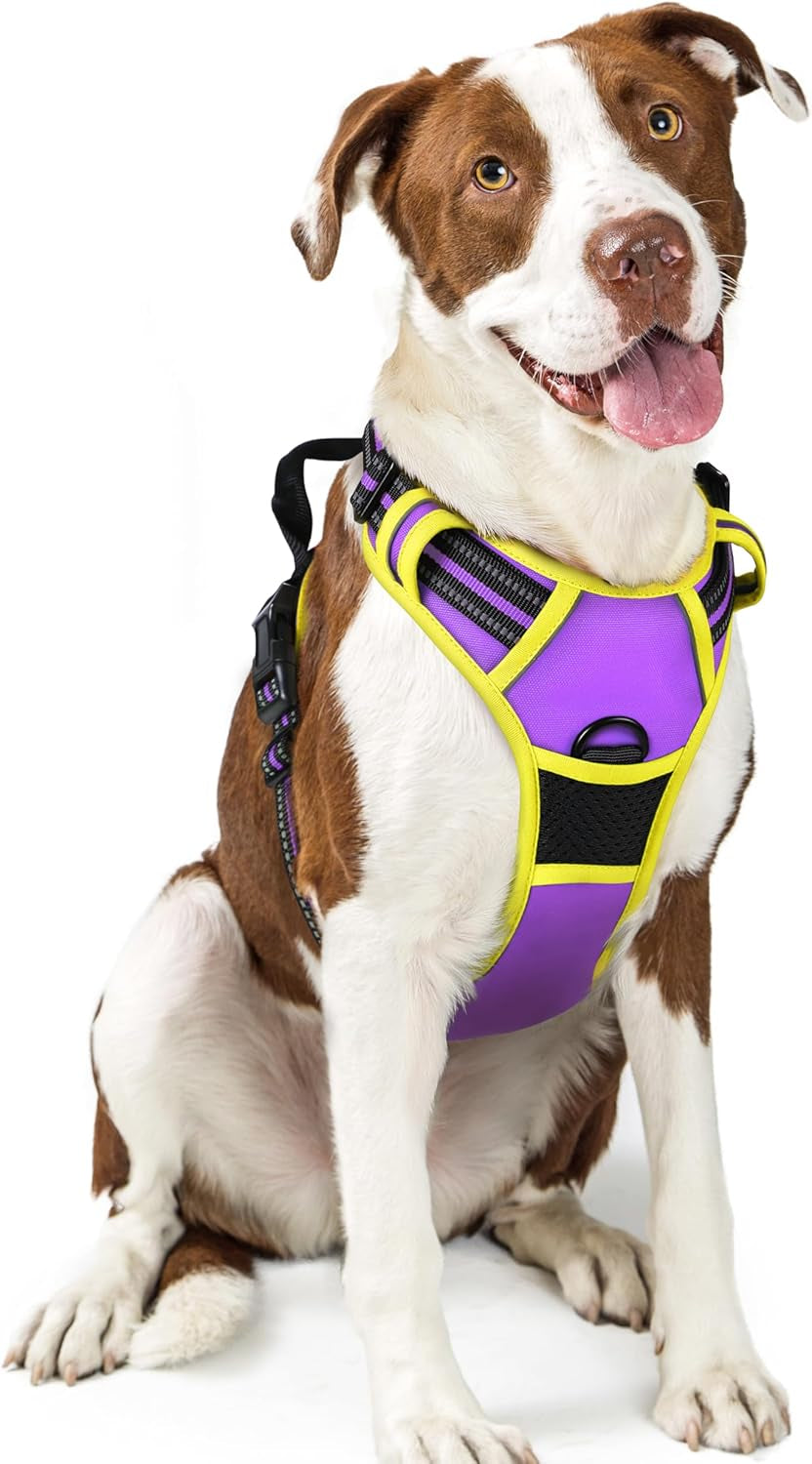
Identifying Dangerous Equipment for Strong Breeds
Some walking gear creates real risks for powerful breeds. Avoid any chest piece that sits across the throat. When a dog pulls, this design constricts the trachea, which can lead to long-term neck issues. You also want to steer clear of cheap plastic buckles or thin nylon straps. These materials often fail under the tension of a sudden lunge. A metal clasp or a reinforced buckle lock keeps your dog secure even when they react to sudden distractions.
What Makes a Chest Rig "No Pull"? Deciphering Front-Clip Technology
The physics of a front-clip system works by redirecting energy. When your dog pulls, the attachment point on their chest forces them to turn toward you. This movement breaks their forward momentum. It turns the dog’s strength against itself. Compare this to a back-clip design. A back-clip only encourages a dog to lean into the weight and pull harder. By using a front-clip, you gain steering control, which is vital for managing a breed as strong as a Pitbull.
Features to Prioritize: Durability and Security
When selecting the best no pull dog harness for pitbulls, look for materials that survive heavy wear. Ballistic nylon or high-density webbing stands up to constant friction. Check the stitching on every strap. Double-stitched seams provide the extra holding power needed for a high-energy dog. Look for heavy-duty metal D-rings rather than plastic ones. Plastic rings can crack or bend when a strong dog hits the end of a leash at full speed.
Reviewing Best-in-Class Front-Clip Designs
Several models on the market offer the security you need for a Pitbull. Look for designs that feature a "Y" shape on the front. This shape keeps the straps away from the neck and resting on the breastbone. Some popular choices include options with padded chest panels. Padding prevents skin rubbing during long walks. Another feature to check for is a back-handle. A handle on the top of the rig allows you to lift or steady your dog in tight spaces, which is a great asset for city walking.
Exploring Vest-Style vs. H-Style Equipment for Muscular Dogs
Choosing between a full vest and an H-style strap system comes down to how your dog carries their weight. A full vest-style covers more surface area. This distributes the pressure of a pull across a wider section of the chest, which is more comfortable for the dog. An H-style system uses thinner straps. It offers more airflow, which helps keep your pet cool. For a very muscular Pitbull that pulls constantly, a wider vest provides more surface area and better comfort.
Essential Measurement Techniques for Deep-Chested Breeds
A secure fit is non-negotiable for a strong, deep-chested dog. Grab a soft sewing tape measure to get the right numbers. First, measure the widest part of your dog’s chest, which is usually right behind their front legs. Keep the tape snug but not tight. Second, measure the base of the neck where the collar sits. Always add an inch or two for comfort, but ensure the gear cannot slip over the head. Check the manufacturer's size chart carefully, as brands vary significantly. Luxury Pet Accessories Wholesale
Adjustability: Why One Size Rarely Fits All
A good chest rig needs multiple adjustment points to work correctly. You should be able to tighten or loosen the girth, the shoulder straps, and the bottom strap. This allows you to create a custom fit that contours to your dog's unique shape. A well-adjusted piece of equipment should allow for a full range of motion. If the straps are too loose, the unit will slide and rotate. If they are too tight, the dog will struggle to move their front legs freely.
Common Fitting Mistakes Pitbull Owners Make
Many owners leave the underarm straps too loose. This allows the chest piece to slide into the sensitive armpit area, causing sores. Another mistake is leaving the neck loop too large. If the neck part hangs low, the dog can step out of the gear with a quick wiggle. Check for proper fit by placing two fingers under the straps. If you can fit more than two fingers, the gear is too loose. If you cannot fit your fingers at all, it is too tight.
Introducing the New Gear: Positive Reinforcement Strategies
Never force the equipment on your dog if they seem worried. Start by letting your dog sniff the gear while you provide treats. Place the gear on them for short periods while inside the house. Give them praise and rewards while they wear it so they associate the sensation with good things. Keep these sessions brief and end on a positive note. Once they act normal around the house, move to short walks in a quiet area.
Beyond the Clip: Essential Leash Handling Techniques
The gear is only half of the equation. Your leash handling technique matters just as much. Keep the leash short but loose when walking in busy areas. If your dog starts to pull, stop walking immediately. Become a "tree" and wait for the tension to drop. Do not yank back on the leash. Let the front-clip do the work of turning the dog around. Use a calm, firm voice to guide your dog back to your side.
When to Consider a Dual-Clip System for Advanced Pullers
Some advanced models offer both a front and a back attachment point. This is called a dual-clip system. You can attach a double-ended leash to both points. This gives you maximum control. Use the front clip for steering and the back clip for stability. This setup is excellent for dogs that are still learning loose-leash walking or for owners who enjoy light jogging. It allows you to shift control as the situation changes.
Enjoying Confident Walks with Your Pitbull
Using the right equipment transforms your daily routine. A secure, properly fitted chest rig reduces strain on your shoulders and prevents potential injuries. It gives you the confidence to navigate busy sidewalks or crowded parks. Remember that the gear is a support tool, not a cure-all. Consistent training combined with a durable, well-fitted chest rig builds a partnership. Stick to the basics, maintain the gear, and enjoy the bond you share with your Pitbull on every walk.
FAQs – Best No Pull Dog Harness for Pitbulls
1. What is the best no pull dog harness for pitbulls?
The best option is a front-clip harness made with durable materials like ballistic nylon, padded chest support, and reinforced metal D-rings for control and safety.
2. Why do Pitbulls need a no pull harness?
Pitbulls are strong, muscular dogs that can easily overpower standard collars, making no pull harnesses essential for safer and more controlled walks.
3. Does a no pull harness stop all pulling?
No, it reduces pulling significantly by redirecting your dog’s movement, but training is still required for full leash discipline.
4. Is a front-clip or back-clip better for Pitbulls?
A front-clip harness is better because it turns the dog toward you when they pull, reducing forward momentum and improving control.
5. How tight should a Pitbull harness be?
It should be snug enough that you can fit two fingers under the straps but not loose enough for the dog to slip out.
6. Can a Pitbull escape from a harness?
Yes, if the harness is poorly fitted or low quality. Always choose an adjustable, escape-resistant design made for deep-chested breeds.
7. What material is best for a Pitbull harness?
High-density nylon or ballistic-grade fabric with metal hardware is ideal for strength and durability.
8. How long does it take for a dog to get used to a harness?
Most dogs adapt within a few days to a week with positive reinforcement training and gradual exposure.


