

Best Harness for German Shepherd: 10 Top Picks for Walking, Training & Hiking
German Shepherds are among the most intelligent, energetic, and powerful dog breeds in the world. Whether you're taking your dog on daily walks, advanced obedience training, trail adventures, or outdoor hikes, choosing the best harness for German Shepherd can significantly improve comfort, control, and safety.
Unlike standard collars, a quality German Shepherd harness distributes pressure evenly across the chest and shoulders, reducing strain on the neck while giving owners better handling during walks and training sessions.
Because German Shepherds are large, athletic dogs with strong pulling power, not every harness is suitable. The ideal harness should be durable, adjustable, comfortable, and capable of handling a powerful breed without restricting natural movement.
This guide reviews the top harnesses available today and explains how to choose the right one for your dog's lifestyle.
Quick Answer: What Is the Best Harness for German Shepherd?
If you're looking for the overall best option, a heavy-duty no-pull harness with front and back leash attachments, reinforced stitching, and adjustable straps is typically the best choice for most German Shepherd owners.
The right harness should:
- Prevent excessive pulling
- Provide chest and shoulder support
- Offer multiple adjustment points
- Include strong metal hardware
- Be comfortable for extended wear
- Remain secure during training and hikes
Why German Shepherds Need a Specialized Harness
German Shepherds can weigh between 50 and 90 pounds or more. Their strength, intelligence, and high energy levels mean they often require more control than smaller breeds.
A standard collar may create pressure around the throat when a dog lunges or pulls. Over time, this can cause discomfort and make training more difficult.
A properly fitted German Shepherd dog harness provides several benefits:
- Better leash control
- Reduced neck strain
- Increased comfort during long walks
- Improved training outcomes
- Greater security during outdoor activities
- Enhanced safety for reactive or energetic dogs
Owners dealing with pulling behavior often notice significant improvement after switching to a properly designed no-pull harness for German Shepherd dogs.

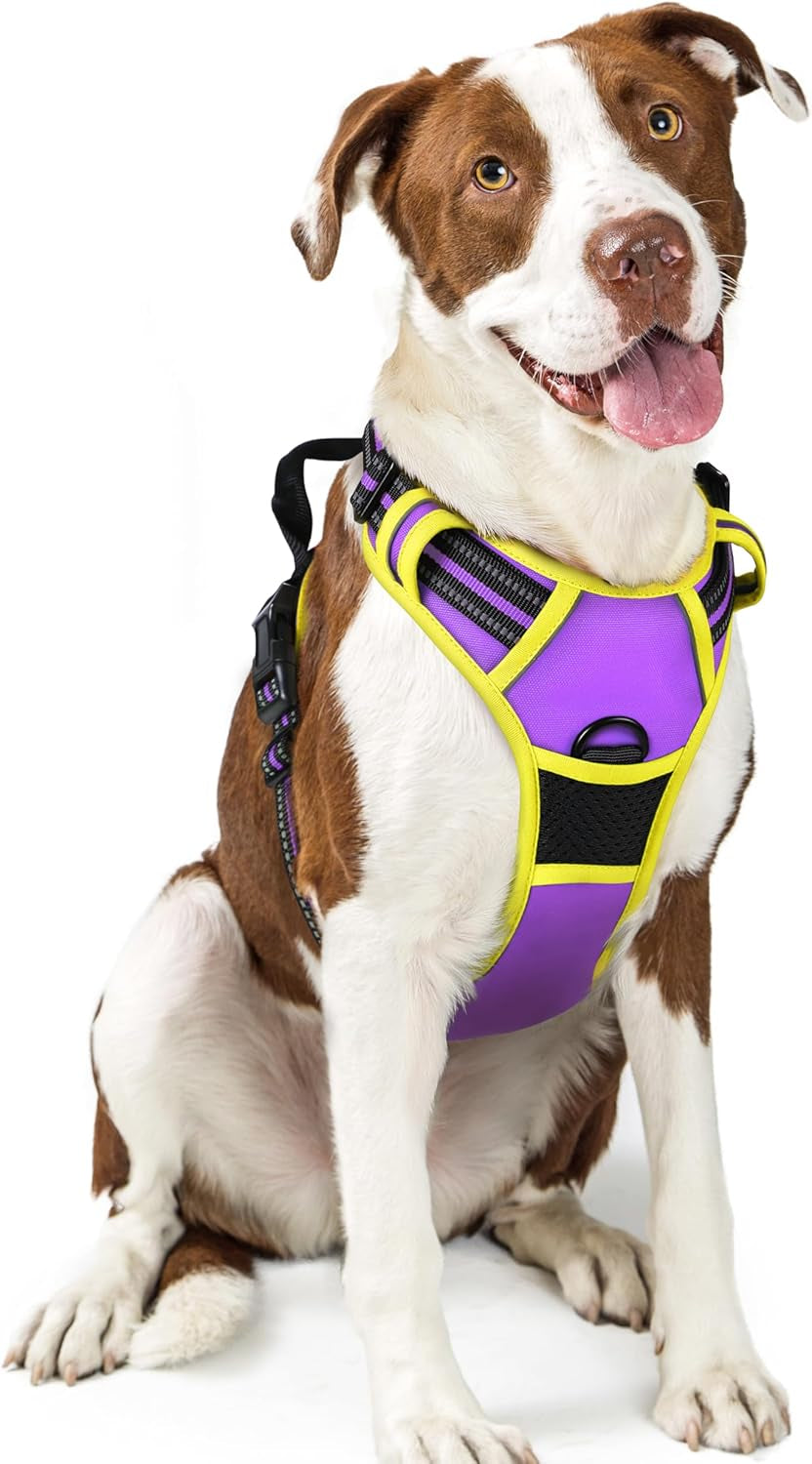
1. Rabbitgoo No-Pull Dog Harness
The Rabbitgoo harness consistently ranks among the most popular choices for large breeds.
Its front leash attachment helps redirect pulling behavior, making it especially useful during training. The padded chest panel improves comfort while multiple adjustment points help create a secure fit.
Best For
Daily walks and obedience training.
Pros
Strong front clip design, reflective straps, easy adjustments, comfortable padding.
Cons
Not as rugged as dedicated tactical harnesses.
2. Tactical Military-Style Harness
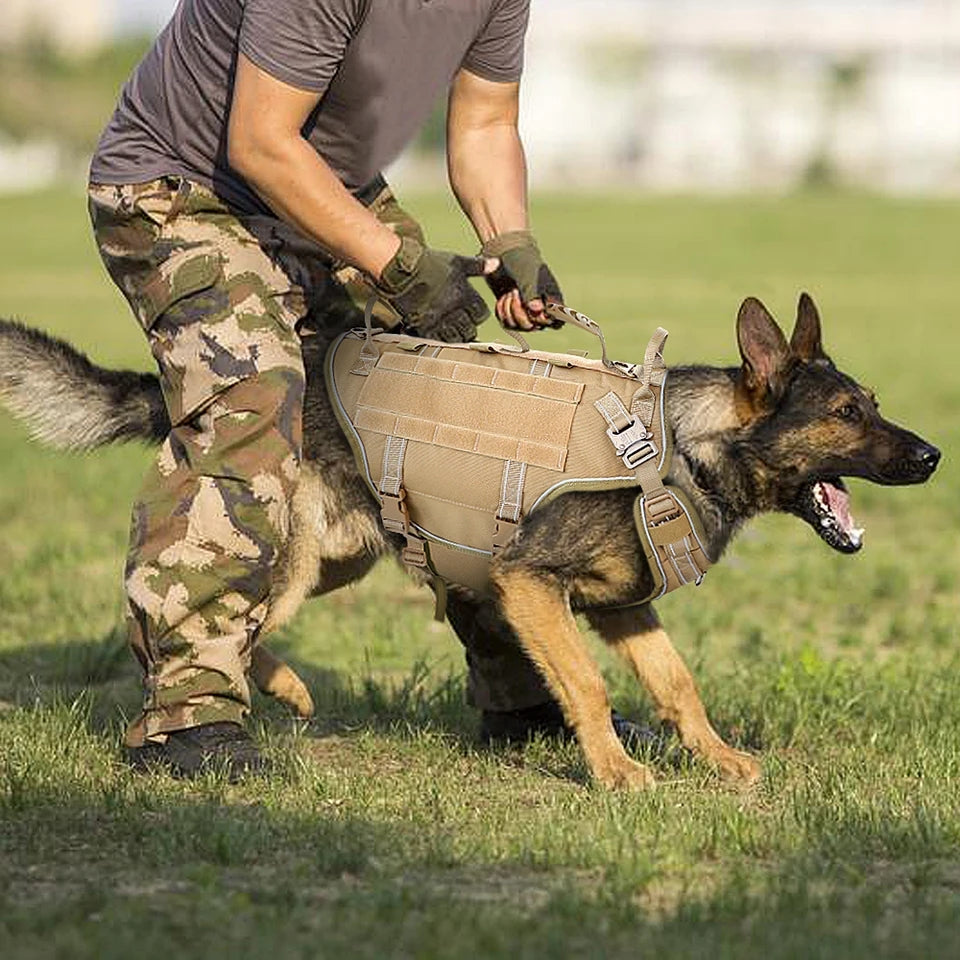
For owners who enjoy hiking, camping, or outdoor adventures, a tactical harness for German Shepherd dogs provides exceptional durability.
These harnesses often feature military-grade nylon construction, MOLLE systems, reinforced handles, and metal buckles designed for demanding environments.
Best For
Hiking, working dogs, and outdoor activities.
Pros
Extremely durable, strong control handle, excellent stability.
Cons
Heavier than standard walking harnesses.

3. Ruffwear Front Range Harness
The Ruffwear Front Range harness is known for comfort and mobility.
The design allows natural shoulder movement while providing secure control during walks. Soft padding makes it ideal for extended wear.
Best For
Active families and daily use.
Pros
Excellent comfort, lightweight design, durable materials.
Cons
Premium price point.
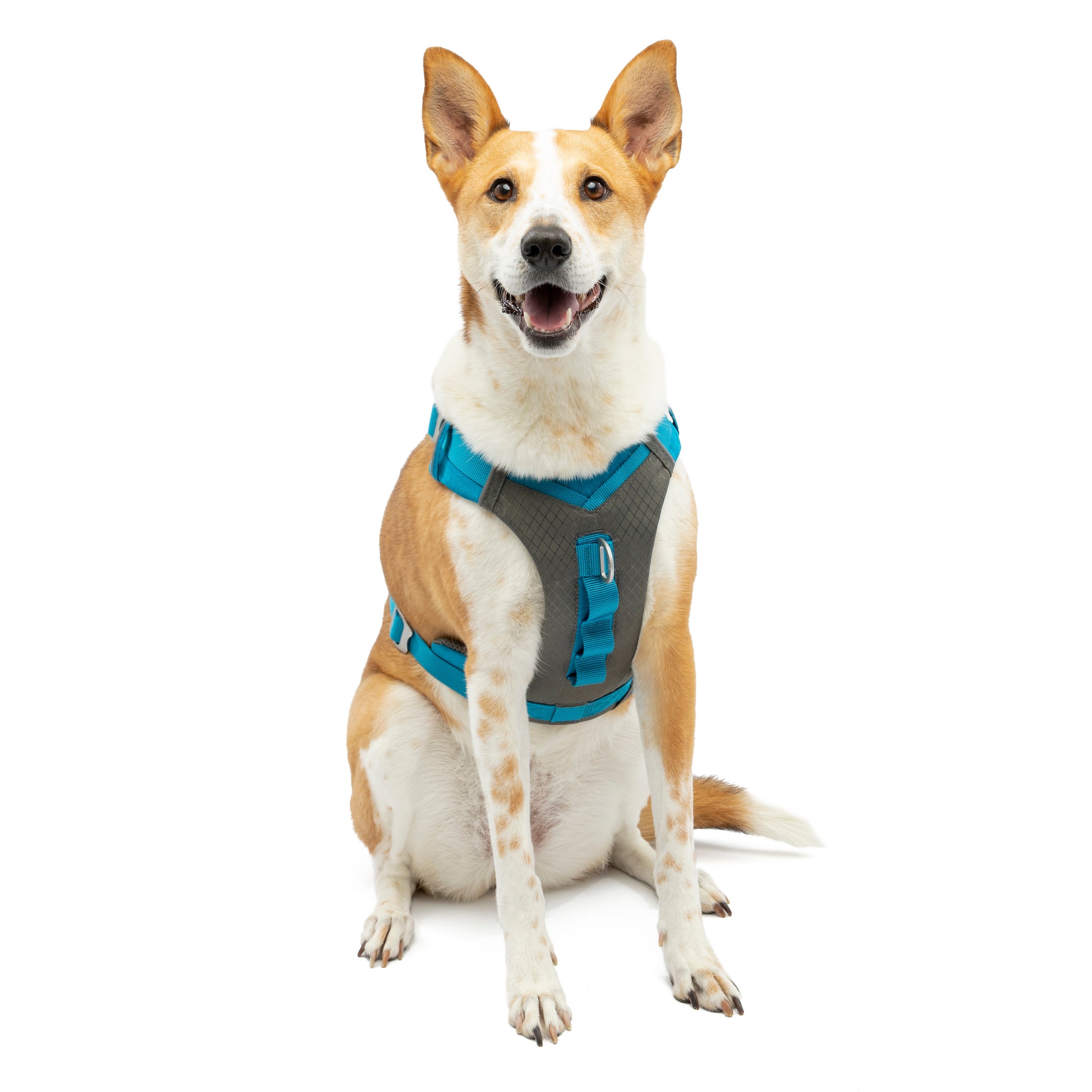
4. Kurgo Journey Air Harness
Owners looking for a lightweight option often choose the Kurgo Journey Air.
Its breathable construction helps keep dogs comfortable in warmer weather while maintaining durability.
Best For
Summer walks and active dogs.
Pros
Breathable, lightweight, comfortable fit.
Cons
Less rugged for extreme adventures.

5. ICEFANG Tactical Harness
The ICEFANG harness has become a favorite among working dog owners.
Its heavy-duty construction includes reinforced stitching, multiple attachment points, and a sturdy handle for maximum control.
Best For
Training and working German Shepherds.
Pros
Exceptional durability, secure fit, tactical features.
Cons
May require careful sizing.

6. PetSafe Easy Walk Harness
For dogs that pull excessively, the PetSafe Easy Walk harness remains a proven training tool.
The front-clip design discourages pulling by redirecting the dog's momentum toward the owner.
Best For
Leash training.
Pros
Effective no-pull design, lightweight construction.
Cons
Not ideal for rugged hiking.

7. OneTigris Tactical Dog Harness
OneTigris combines tactical durability with comfort.
Its padded construction and reinforced design make it a practical option for large breeds that require extra control.
Best For
Outdoor adventures and training.
Pros
Heavy-duty materials, adjustable fit, durable buckles.
Cons
Bulkier than standard harnesses.
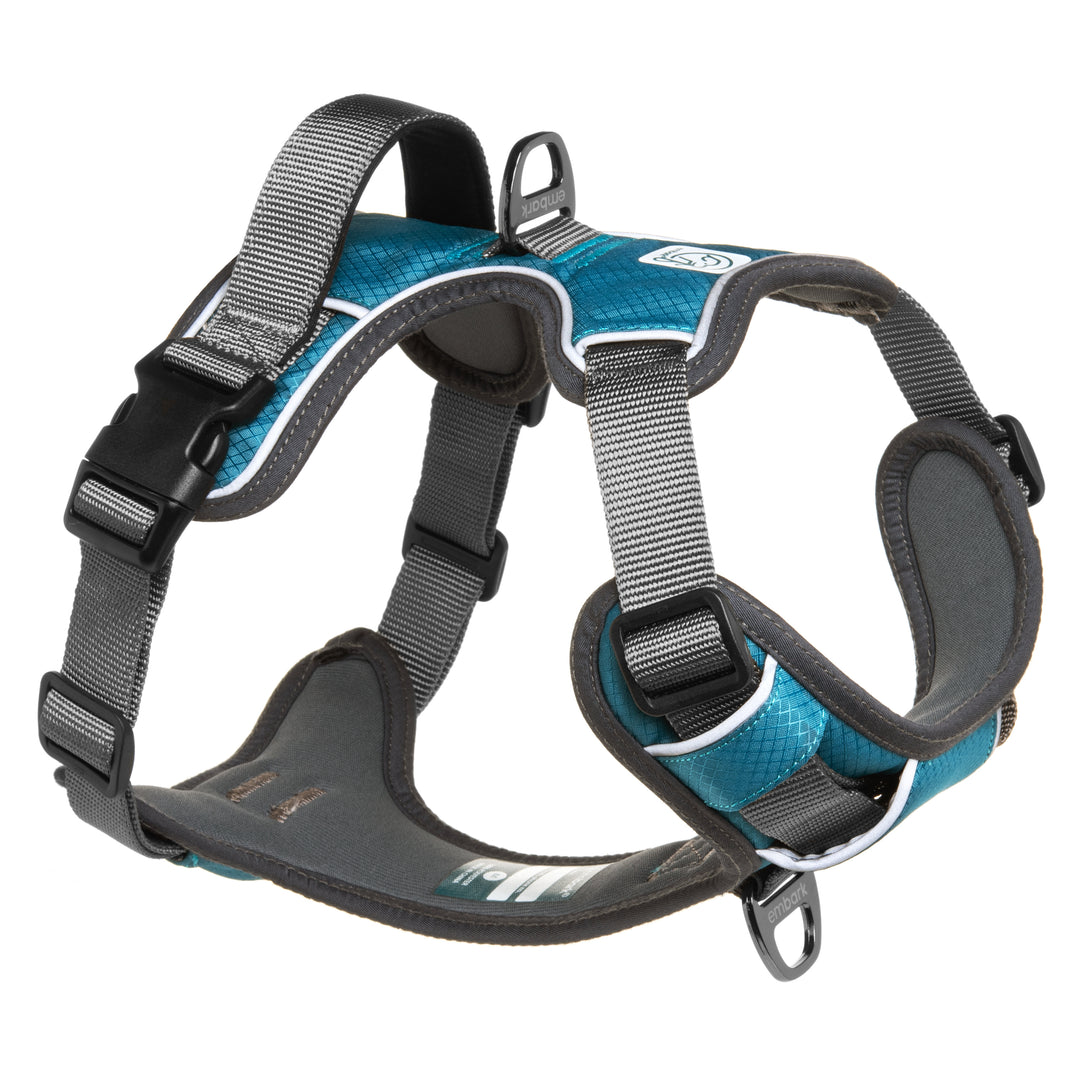
8. Embark Adventure Harness
The Embark Adventure harness focuses on versatility.
It provides strong support for walking, training, and moderate hiking while maintaining comfort for everyday use.
Best For
Multi-purpose use.
Pros
Balanced design, strong hardware, comfortable fit.
Cons
Limited tactical features.

9. Voyager Large Dog Harness
For budget-conscious owners, the Voyager harness offers good value.
It includes essential safety and comfort features while remaining affordable.
Best For
Everyday walks.
Pros
Affordable, lightweight, easy to use.
Cons
Less durable than premium models.

10. Escape-Proof Multi-Strap Harness
Some German Shepherds are talented escape artists.
An escape-proof dog harness typically includes additional belly straps that make slipping out significantly more difficult.
Best For
Rescue dogs, reactive dogs, and escape-prone German Shepherds.
Pros
Maximum security, excellent control.
Cons
Longer fitting process.
How to Choose the Best Dog Harness for German Shepherd
Not every harness suits every dog. Your choice should depend on your dog's behavior, activity level, and intended use.
Consider Pulling Behavior
If your dog constantly pulls during walks, choose a front-clip harness for German Shepherd that pulls. These designs are specifically created to discourage pulling while improving leash manners.
Evaluate Activity Level
Active dogs that frequently hike or explore trails need stronger materials than dogs primarily walking around the neighborhood.
For outdoor enthusiasts, a heavy-duty dog harness with reinforced stitching and durable hardware provides better long-term performance.
Prioritize Adjustability
German Shepherds have deep chests and athletic builds. A quality adjustable dog harness ensures a secure fit without restricting movement.
Look for at least four adjustment points whenever possible.
Check Hardware Quality
Plastic buckles may be adequate for smaller dogs but large breeds benefit from reinforced buckles and metal leash attachments.
Walking vs Training vs Hiking Harnesses
Many owners assume one harness can do everything.
While some versatile models perform well across multiple activities, specific harness styles often excel in certain situations.
Walking Harness
A walking harness prioritizes comfort, ease of use, and everyday convenience.
Training Harness
Training harnesses usually feature front leash clips designed to reduce pulling and improve responsiveness.
Hiking Harness
Hiking harnesses focus on durability, stability, and support during longer outdoor adventures.
If you frequently hike with your German Shepherd, investing in a specialized hiking harness can provide better performance and comfort.
Common Harness Sizing Mistakes
Even the best harness can fail if it doesn't fit correctly.
Many owners make the mistake of purchasing a harness based solely on weight.
Instead, measure:
- Chest girth
- Neck circumference
- Body proportions
A properly fitted harness should allow two fingers to slide comfortably beneath the straps without being loose.
Can a Harness Stop a German Shepherd From Pulling?
A harness alone cannot completely eliminate pulling.
Training remains essential.
However, a properly designed no-pull harness for German Shepherd dogs can make training significantly easier by reducing the mechanical advantage dogs gain when pulling forward.
Combining positive reinforcement with a no-pull harness often produces the best results.
If your dog has a history of strong leash pulling, you may also find our guide on the Best No Pull Dog Harness for Pitbulls helpful because many of the same training principles apply to powerful breeds:
Grooming and Comfort Matter Too
German Shepherds shed heavily throughout the year.
A harness that fits properly reduces friction and irritation around the coat.
Keeping your dog's sleeping areas clean is equally important. Our guide on How to Keep Dog Hair Off Bed offers practical solutions for managing shedding:
Comparing German Shepherd and Pitbull Harness Needs
Both breeds are strong, athletic, and energetic, but German Shepherds typically require slightly different fit considerations because of their body structure.
Owners interested in comparing harness recommendations for large powerful breeds can also read our guide to the Best Dog Harness for Pitbulls:
Expert Verdict
After evaluating comfort, durability, training effectiveness, and versatility, the best harness for most German Shepherd owners is a heavy-duty no-pull harness featuring front and back leash attachments, multiple adjustment points, and reinforced construction.
For everyday walking, the Rabbitgoo and Ruffwear Front Range remain excellent choices.
For hiking and outdoor adventures, tactical options such as ICEFANG and OneTigris offer superior durability and control.
For training dogs that pull, front-clip no-pull harnesses continue to provide the most effective combination of comfort and handling.
Ultimately, the best German Shepherd harness is the one that fits properly, supports your dog's activity level, and helps create safer, more enjoyable experiences for both dog and owner.
Frequently Asked Questions
What is the best harness for a German Shepherd that pulls?
A front-clip no-pull harness is generally the best option. These harnesses redirect forward momentum and help reduce pulling behavior during training sessions.
Are harnesses better than collars for German Shepherds?
For most situations, yes. Harnesses distribute pressure across the chest and shoulders rather than concentrating force on the neck, making them safer and more comfortable.
What size harness does a German Shepherd need?
Most adult German Shepherds require a large or extra-large harness, but measurements are more important than weight alone. Always measure chest girth and neck circumference before purchasing.
What is the best tactical harness for German Shepherds?
Heavy-duty tactical harnesses such as ICEFANG and OneTigris are popular choices because of their durable materials, reinforced handles, and secure construction.
Can a German Shepherd wear a harness every day?
Yes. A properly fitted harness can be worn daily for walks and activities. It should be removed during extended indoor rest periods.
What is the best harness for hiking with a German Shepherd?
A hiking harness should be durable, adjustable, and comfortable over long distances. Tactical and adventure-style harnesses typically perform best on trails.
How do I stop my German Shepherd from pulling on walks?
Combine positive reinforcement training with a front-clip no-pull harness. Consistency, rewards, and proper leash techniques produce the best long-term results.
What is the best escape-proof harness for German Shepherds?
Harnesses with additional belly straps and multiple adjustment points provide the highest level of escape prevention for dogs prone to slipping out.
Should a German Shepherd sleep with a harness on?
No. Harnesses should generally be removed during sleep to maximize comfort and prevent unnecessary pressure points.
How tight should a German Shepherd harness be?
A properly fitted harness should allow two fingers to fit comfortably under the straps while remaining secure enough to prevent slipping.


