

Because you love your dog — but sleeping in a fur tornado is where you draw the line.
Most pet owners treat dog hair like an unavoidable fact of life. It doesn't have to be. With the right approach — consistent grooming, smarter bedding choices, a few clever cleaning tricks, and one surprisingly simple change in where your dog sleeps — you can cut the amount of fur on your bed by a lot. Let's get into it.
Why Dog Hair Sticks to Beds and Bedding
Before we talk solutions, it helps to understand the enemy. Dog hair doesn't just float onto your bed — it clings to it, and here's why:
- Static electricity. Fabrics build up static charge, and loose dog hair is attracted to it like a magnet. Synthetic materials — microfiber, polyester — are especially guilty of this.
- Weave structure. Loosely woven fabrics like fleece, velvet, or flannel have tiny loops and gaps that trap hair deep in the fibers. Once hair is in there, even washing doesn't always get it all out.
- Oils and dander. Dog hair carries natural skin oils that help it stick to soft surfaces. This is also why pet hair on bedding can worsen allergies.
- Constant contact. If your dog sleeps on the bed every night, they're shedding hair throughout the night — in your breathing zone — and every time they shift position.
- Breed-specific shedding cycles. Double-coated breeds like Huskies, Labs, and Golden Retrievers go through intense "blow coat" seasons in spring and fall where shedding spikes dramatically.
The good news? Once you understand why it happens, stopping it becomes a lot more achievable.
How to Keep Dog Hair Off Bed: 15 Best Ways
Here are the strategies that work — ranked and detailed so you can pick what fits your lifestyle.
-
Use a tightly woven duvet cover Switch your bedding to sateen or percale weave cotton. These have a tight thread count that doesn't give hair fibers anything to grab onto. Hair sits on the surface instead of embedding — making it 10× easier to shake or brush off.
-
Lay a dog blanket over your bed Keep a washable blanket (one your dog "owns") draped over your comforter. Your dog will gravitate toward their scent. When you're ready to use the bed, fold the blanket off. This single change makes a noticeable difference overnight.
-
Wash bedding every 5–7 days Dog hair accumulates fast. Waiting two or three weeks between washes just lets fur embed deeper. A weekly hot wash — combined with the dryer trick below — keeps hair levels manageable.
-
Dry sheets first, then wash Toss your sheets in the dryer on low heat for 10 minutes before washing. The tumbling motion loosens embedded hair and sends it to the lint trap. Then run a normal wash cycle. This one step dramatically improves how much fur you actually remove.
-
Add vinegar to the rinse cycle Half a cup of white distilled vinegar in the rinse cycle relaxes fabric fibers, helping hair release from the weave instead of staying trapped. It also reduces static — which means less cling.
-
Use a rubber glove or latex squeegee Damp rubber gloves are one of the most underrated pet hair tools. Run your gloved hand across sheets in one direction. The friction creates a static charge that bunches hair into clumps you can grab and toss. A window squeegee works the same way.
-
Keep a lint roller on your nightstand Roll your pillows and the top of your duvet every morning before making the bed. A 30-second roll becomes a painless daily habit that prevents buildup. Use a wide-barrel roller for large surfaces.
-
Vacuum your mattress monthly Hair works its way through sheets and into your mattress over time. Use the upholstery attachment on your vacuum across the entire mattress surface every 3–4 weeks. A mattress cover (washable) also adds a barrier.
-
Train your dog to sleep in their own spot This one takes consistency, but it's one of the most effective long-term strategies. Choose a command like "Go to your bed" and reward generously every time they comply. Pair this with giving them a truly cozy sleeping space — more on that below.
-
Keep bedroom doors closed during the day Dogs roam freely during the day, and they often nap on the bed even when you're not home. Keeping the bedroom door shut during the day prevents daytime shedding from piling up on clean sheets.
-
Run an air purifier in the bedroom A HEPA air purifier captures airborne pet dander and loose hair before it settles. This also helps people with pet allergies sleep more comfortably. Position it near where your dog sleeps.
-
Brush your dog before they come inside After walks or outdoor time, a quick brush on the porch or in the entryway removes loose hair before it ever enters the bedroom. Keep a slicker brush near the door for easy access.
-
Bathe your dog every 4–6 weeks Regular baths (with a deshedding shampoo) soften the coat and loosen dead fur so it comes out in the tub — not on your sheets. Use warm water and lather thoroughly to the skin.
-
Use dryer sheets (pet-safe) in the wash Pet-safe dryer sheets reduce static cling in bedding, making hair far less likely to stick. Toss one in with your sheets for the drying cycle. Avoid sheets with heavy fragrances around sensitive dogs.
-
Give your dog their own cozy bed they actually love This is the most underrated tip of all. Most dogs jump on your bed because it's the warmest, most comfortable, most scented-with-you spot in the house. Give them a bed that competes — and they'll choose it voluntarily. We'll talk about exactly what to look for in a moment.
Daily Habits That Reduce Pet Hair on Sheets
Big results come from small, consistent routines. You don't need to overhaul your life — just stack a few of these habits into your existing morning and evening rituals:
- Quick lint roll your pillowcases and top of comforter
- Shake the duvet out before making the bed
- Wipe down your headboard with a damp microfiber cloth
- Brush your dog for 3–5 minutes before bedtime
- Fold any dog blanket off the bed and toss it aside
- Direct your dog to their own sleep spot with a treat reward
- Strip and wash all bedding
- Vacuum mattress with upholstery attachment
- Wipe bedroom baseboards where tumbleweeds of fur collect
Done consistently, these routines take less than 20 minutes a week total and make a dramatic difference in how much pet hair accumulates.
Grooming Tips to Actually Reduce Shedding
You can't stop a dog from shedding — it's biology. But you can control where that hair ends up. Strategic grooming means the hair comes off into a brush (or a drain) rather than all over your home and bedding.
Choose the Right Brush for Your Dog's Coat Type
- Short-haired breeds (Beagles, Boxers): Use a rubber curry brush or grooming mitt 2–3× a week.
- Long-haired breeds (Golden Retrievers, Collies): Use a slicker brush daily, plus a deshedding rake during blow-coat seasons.
- Double-coated breeds (Huskies, Malamutes): An undercoat rake is essential. The Furminator-style tools are popular for a reason — they reach the undercoat where most shedding originates.
- Curly-coated breeds (Poodles, Doodles): These shed minimally, but still need regular brushing to prevent matting.
Groom Outdoors When Possible
Brushing your dog indoors releases clouds of loose fur that drift and settle on furniture and bedding. Whenever weather allows, brush outdoors. Birds will even use the collected fur to line their nests — so it's a win all around.
Professional Grooming During Peak Shedding Seasons
Spring and fall blow-coat seasons can feel unmanageable for heavy-shedding breeds. A professional deshedding treatment at a groomer — which includes a high-velocity blow-dry that removes loose undercoat — can reduce shedding by up to 80% for 4–6 weeks afterward.
Nutrition Matters More Than You Think
A diet deficient in omega-3 fatty acids leads to excessive shedding and dry, brittle coats. Adding a fish oil supplement (vet-recommended dosage for your dog's weight) can meaningfully reduce how much your dog sheds over 4–6 weeks.
Best Bedding Materials for Pet Owners
Not all sheets are created equal when you have a dog. The fabric you choose can make cleaning up pet hair dramatically easier — or nearly impossible.
| Material | Hair Resistance | Ease of Washing | Notes |
|---|---|---|---|
| Sateen weave cotton | Excellent | Easy | Smooth surface, hair doesn't embed; durable |
| Percale cotton | Very Good | Easy | Crisp, cool, slightly more texture than sateen |
| Microfiber (tightly woven) | Good | Moderate | Can build static; choose high GSM versions |
| Linen | Moderate | Easy | Loose weave in low-quality linen can trap hair |
| Flannel | Poor | Difficult | Textured loops trap hair deeply; avoid |
| Fleece / Velvet | Very Poor | Very Difficult | Essentially a lint trap; not recommended for pet owners |
| Bamboo | Excellent | Easy | Naturally anti-static, silky surface; great choice |
Bottom line: Bamboo and sateen-weave cotton are the best investments for dog owners. They feel luxurious, hold up to frequent washing, and give pet hair nowhere to hide.
How to Remove Dog Hair From Sheets and Comforters
Okay — you already have hair on your sheets. Here's how to actually get it off, fast and thoroughly:
The Dryer-First Method (Most Effective)
- Put sheets directly into the dryer on low heat, no more than 10 minutes.
- The tumbling action loosens embedded hair. Check the lint trap — it'll be full.
- Now wash on your normal cycle, adding half a cup of white vinegar to the rinse.
- Dry fully. Shake out before folding.
The Rubber Glove Method (Fastest No-Wash Option)
Put on a damp rubber glove and sweep it across sheets using long, directional strokes. Hair clumps together from the friction and can be peeled off in satisfying chunks. Takes about 90 seconds for a full set of sheets.
For Comforters and Duvets
Comforters are bulky and harder to wash frequently. Use a large lint roller or pet hair remover brush across the entire surface at least twice a week. When it's time to wash, use a commercial washer (laundromat) if your home machine is too small — cramming a duvet into a small washer means it doesn't agitate properly and hair stays trapped.
Quick Reference: Pet Hair Removal Tools
- Wide-barrel lint roller — best for quick daily use
- Damp rubber gloves — best for sheets and pillowcases
- Window squeegee — surprisingly effective on mattress surfaces
- Upholstery vacuum attachment — best for mattress and comforter edges
- Pet hair removal brush (reusable) — great for eco-conscious owners
- Dryer + lint trap — best for laundry cycles
- White vinegar in rinse — best laundry additive for hair release
- HEPA air purifier — best for airborne dander and floating hair
Why Giving Your Dog Its Own Bed Changes Everything
Here's a truth most pet hair guides skip over: the most powerful way to stop dog hair on your bed is to make your dog genuinely prefer sleeping somewhere else.
Dogs aren't sneaking onto your bed out of spite. They're doing it because it's warm, it smells like you, it's elevated and feels safe, and — honestly — it's the most comfortable spot in the house. If their "own" bed is a flat, cheap cushion in the corner, of course they're choosing yours.
The goal is to give your dog a bed so good that they choose it voluntarily. That changes the entire dynamic. Here's what a genuinely appealing dog bed needs:
- Warmth and deep cushioning they can sink into
- A raised rim or walls they can rest their head on (mimics being held or curled against something solid — naturally calming)
- A location in the bedroom so they still feel close to you
- Their scent on it — don't wash a new bed immediately, let them claim it first
- Reinforcement — reward them every time they choose their bed over yours
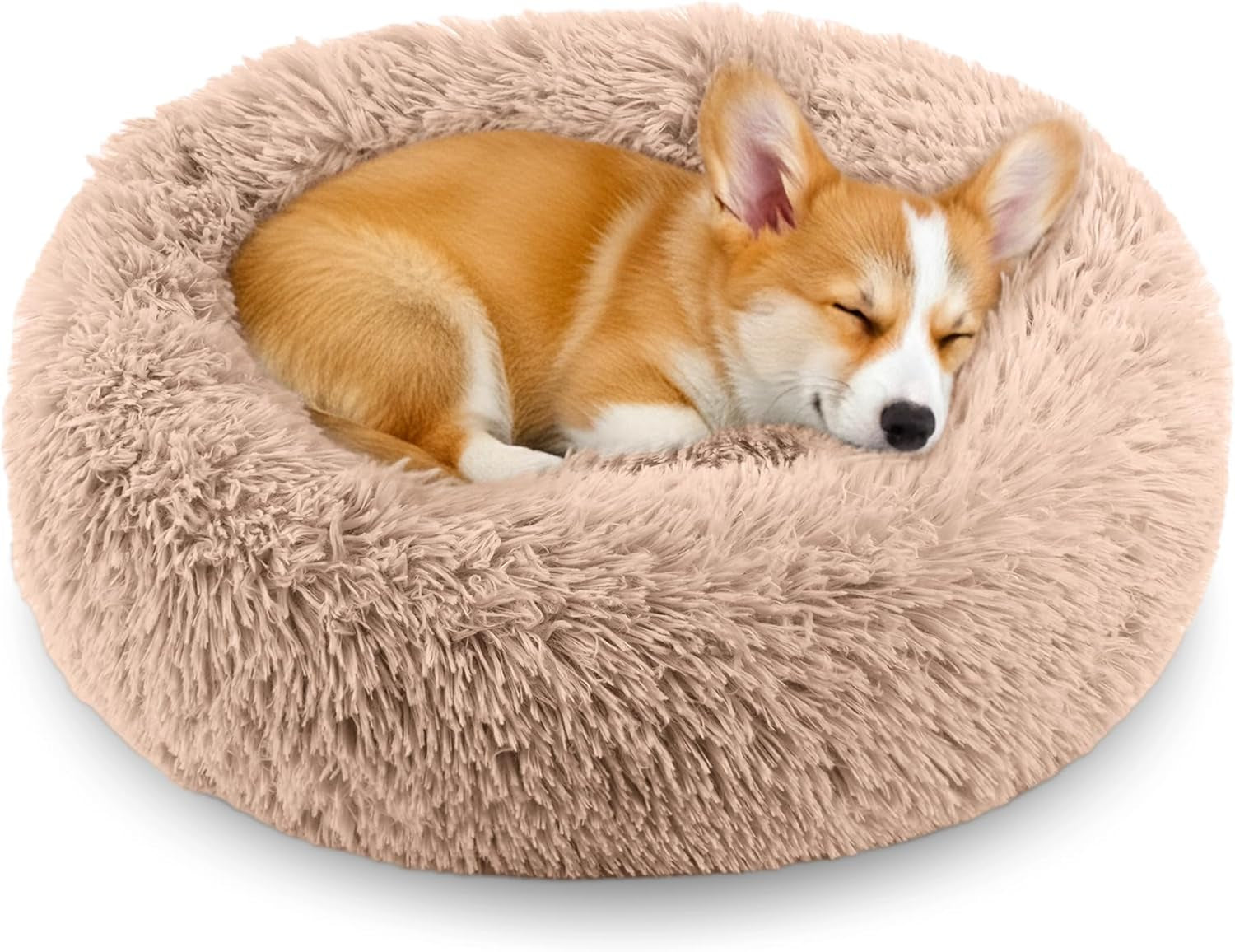
Calming Donut Dog Bed
If you've been battling pet hair on sheets, the simplest fix is giving your dog a bed they actually want to sleep in. This one checks every box.
- Raised rim design mimics the feeling of being cradled — naturally reduces anxiety and keeps dogs settled all night
- Ultra-soft plush fill that your dog will choose over your mattress (it's that good)
- Machine washable — removing dog hair from the bed itself takes just one wash cycle
- Non-slip base keeps the bed in place so it doesn't slide into "no man's land" behind the dresser
- Compact donut shape encourages curling up — less tossing, less spreading hair around
- Anti-anxiety support helps restless or velcro dogs settle independently
The beauty of this approach is that it solves the root problem rather than just cleaning up after it. Less time on your bed = dramatically less dog hair on your sheets, full stop. And because the plush material is machine washable, managing hair on their bed is as easy as a quick wash cycle — instead of you wrestling with your 800-thread-count sateen sheets every other day.
Common Mistakes Pet Owners Make (That Keep the Problem Going)
- Using fabric softener on sheets with pet hair. It coats fabric fibers and makes them grip hair more tightly. Skip it — use vinegar in the rinse instead.
- Washing sheets without the dryer-first step. You're washing the hair through your machine and depositing it back on the fabric. Always dryer first.
- Buying a cheap dog bed and expecting your dog to love it. Thin, flat foam cushions don't compete with your mattress. Invest in a bed that actually offers your dog something.
- Only brushing your dog when you notice shedding. By then, loose fur is everywhere. Brushing regularly prevents the shed, rather than chasing it around the house.
- Thinking your short-haired dog doesn't shed much. Short-haired breeds like Labradors and Beagles shed just as much as longer-haired dogs — the hair just embeds more deeply into fabric because it's finer.
- Waiting to replace worn bedding. Old sheets with pilled surfaces trap hair like Velcro. Fresh, smooth bedding is genuinely easier to keep hair-free.
- Not addressing your dog's anxiety. Dogs who are anxious or unsettled roam more, sleep restlessly, and shed more due to stress. A calming sleep environment helps your dog — and your sheets.
Frequently Asked Questions
How do I keep dog hair off my bed permanently?
What bedding repels dog hair the most?
Does a calming dog bed help reduce hair on my bed?
How do I remove dog hair from sheets in the washing machine?
What removes dog hair from bedding the fastest?
Why does my dog keep jumping on my bed even when they have their own?
Is it bad to let dogs sleep in your bed?
How often should I wash my dog's bed to control shedding?
Ready to Finally Win the War on Dog Hair?
Learning how to keep dog hair off bed isn't about one perfect trick — it's about layering smart habits together. Groom regularly, choose the right bedding, clean with the right methods, and most importantly, give your dog a sleep space they actually love. When dogs have something better to sleep on, they stop stealing yours.
If you're ready to try the dedicated dog bed approach, the Calming Donut Dog Bed is a great place to start. It's cozy enough to actually compete with your mattress — and your sheets will thank you.
Shop the Calming Donut Dog Bed →

