

Walking your dog should be one of the most enjoyable parts of the day—not a constant battle of pulling, lunging, and sore arms. If your dog drags you down the sidewalk or gets overly excited during walks, learning how to use no pull harness correctly can make a remarkable difference.
A no pull harness is designed to give pet owners better control while encouraging dogs to walk politely without causing unnecessary strain on their necks. However, simply buying a harness isn't enough. The way you fit it, adjust it, attach the leash, and train your dog all determine how effective it will be.
In this complete guide, you'll learn exactly how to use a no pull dog harness the right way, avoid common mistakes, and help your dog develop better leash manners through positive training.
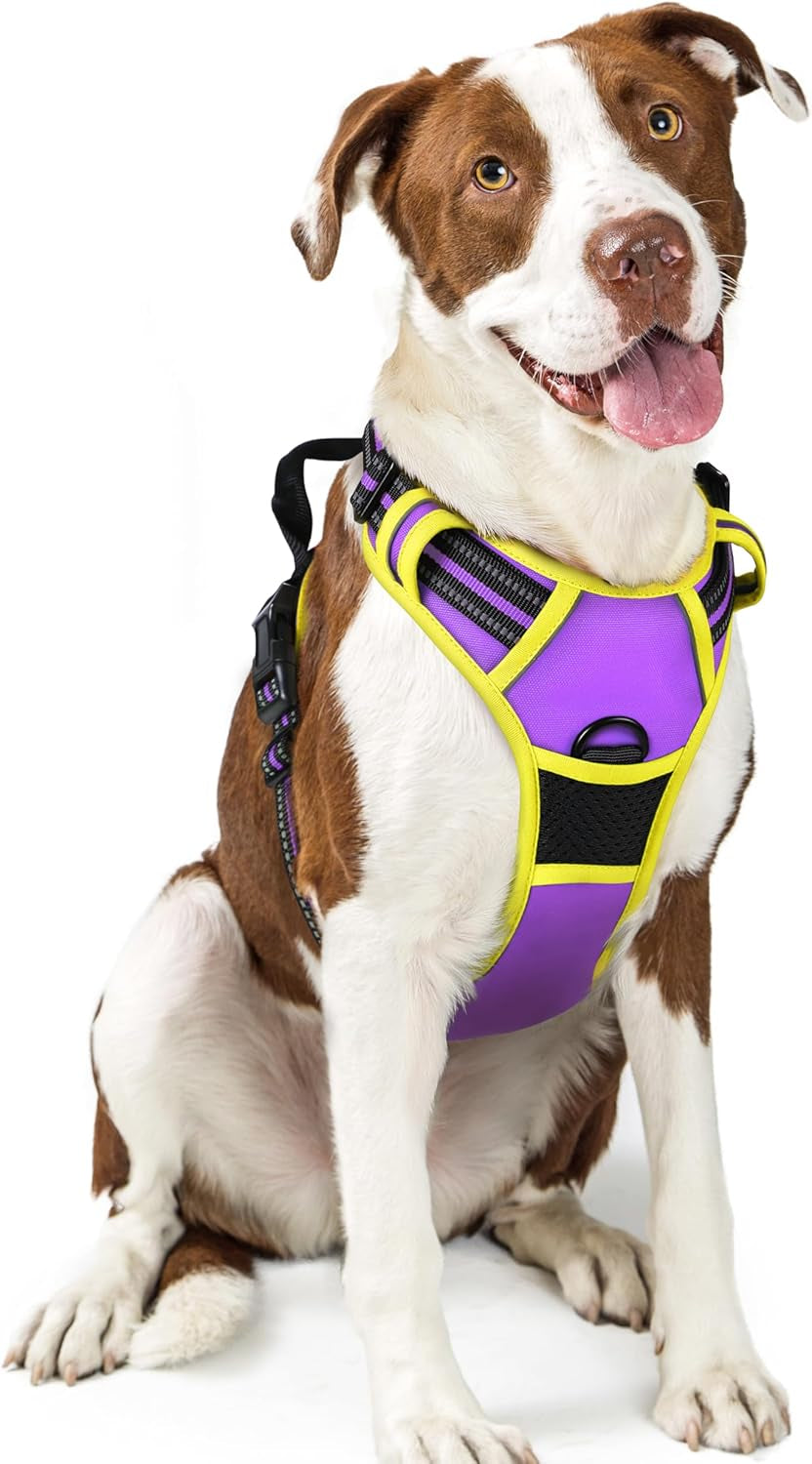
Quick Answer: How Do You Use a No Pull Harness?
To use a no pull harness correctly:
- Adjust the harness so it fits snugly without restricting movement.
- Position the chest strap across the front of your dog's chest.
- Fasten all buckles securely.
- Attach the leash to the front clip if your dog pulls.
- Reward your dog whenever they walk beside you.
- Keep the leash relaxed instead of constantly pulling back.
Proper fitting and consistent training are what make a no pull harness effective.
What Is a No Pull Dog Harness?
A no pull harness is a walking harness specifically designed to discourage pulling by redirecting your dog's movement instead of placing pressure on the neck.
Unlike traditional collars, which concentrate force around the throat, a no pull harness distributes pressure across the chest and shoulders. Many models include a front leash attachment that gently turns the dog toward you whenever they pull forward.
This design helps:
- Improve leash control
- Reduce choking
- Minimize neck injuries
- Encourage loose-leash walking
- Make walks safer for both owner and dog
If you're comparing different harness options, check out our guide on Best Dog Harness for Pitbulls to understand which features matter most.
Why Proper Harness Use Matters
Many dog owners assume that putting on the harness is enough. Unfortunately, an incorrectly fitted harness won't solve pulling—and in some cases, it can make walking less comfortable.
Using a no pull harness properly helps:
- Prevent shoulder strain
- Avoid rubbing and chafing
- Improve steering control
- Build positive walking habits
- Increase your dog's confidence during walks
The harness works as a training tool—not an instant cure.
Step 1: Choose the Right Harness Size
A properly sized harness should fit snugly while allowing your dog to move naturally.
Measure:
- Neck circumference
- Chest girth (widest part)
- Weight (if sizing chart recommends it)
You should be able to slide two fingers comfortably between the harness and your dog's body.
A harness that's too loose can allow your dog to escape.
A harness that's too tight may restrict movement and cause rubbing.
Step 2: Put the Harness On Correctly
Although every design varies slightly, most adjustable no pull harnesses follow the same process.
Place the Neck Opening
Slip the neck opening over your dog's head if required.
Some step-in models allow your dog to place both front legs inside before fastening.
Position the Chest Panel
The front chest piece should sit in the center of your dog's chest—not against the throat.
This is the section responsible for redirecting pulling.
Secure the Buckles
Fasten every buckle until you hear a click.
Double-check that each buckle is fully locked before walking.
Adjust Every Strap
Tighten each strap gradually.
The harness should stay in place without twisting during movement.
Step 3: Attach the Leash to the Correct Clip
Most modern no pull harnesses include two leash attachment points.
Front Clip
Best for:
- Dogs that pull heavily
- Leash training
- Puppies learning manners
When the dog pulls, the front clip gently redirects them back toward you.
Back Clip
Best for:
- Calm walkers
- Daily exercise
- Hiking
- Running
Once your dog consistently walks politely, many owners transition to the back attachment.
Step 4: Start Walking Slowly
Don't rush into long walks immediately.
Begin in a quiet location with minimal distractions.
Walk a few steps.
When your dog stays beside you:
- Praise them
- Offer a small treat
- Continue walking
If your dog pulls:
Stop walking.
Wait until the leash becomes loose.
Only continue once your dog returns to your side.
This teaches that pulling never gets them where they want to go.
Step 5: Reward Good Walking Behavior
Positive reinforcement is one of the fastest ways to teach leash manners.
Reward your dog when they:
- Walk beside you
- Check in with you
- Ignore distractions
- Keep the leash loose
Small, consistent rewards build better habits than punishment.
Eventually, verbal praise becomes enough for many dogs.
Common Mistakes When Using a No Pull Harness
Even the best harness won't work if it's used incorrectly.
Choosing the Wrong Size
Loose harnesses reduce control and increase escape risk.
Always follow the manufacturer's sizing guide.
Using Only the Harness Without Training
A harness supports training—it doesn't replace it.
Dogs still need consistent guidance and rewards.
Constantly Pulling the Leash
Owners sometimes pull backward the entire walk.
Instead:
- Keep the leash relaxed.
- Let the harness redirect naturally.
- Reward loose-leash walking.
Leaving the Harness On All Day
Harnesses are designed for walks—not continuous wear.
Remove it after returning home to prevent rubbing and allow your dog's skin to breathe.
Skipping Adjustments
Dogs grow, gain weight, and lose weight.
Recheck the fit every few weeks.
Does a No Pull Harness Stop Pulling Immediately?
Not always.
Some dogs improve within a few walks.
Others require several weeks of consistent practice.
Factors include:
- Age
- Breed
- Previous training
- Excitement level
- Consistency
Patience produces the best long-term results.
Is a Front Clip Better Than a Back Clip?
It depends on your goals.
A front clip provides better control for dogs learning leash manners.
A back clip offers greater freedom for dogs that already walk politely.
Many owners use the front clip during training and switch to the back clip later.
Which Dogs Benefit Most from No Pull Harnesses?
Almost every breed can benefit from a properly fitted harness.
They're especially helpful for:
- Large breeds
- Strong pullers
- Rescue dogs
- Adolescent dogs
- High-energy breeds
Owners of Pitbulls, Labradors, and German Shepherds often choose no pull harnesses because of their strength and enthusiasm during walks.
For breed-specific recommendations, read our guides on Best No Pull Dog Harness for Pitbulls, Best Harness for Labradors, and 10 Best Harnesses for German Shepherd.
How Long Should Dogs Wear a Harness?
Generally, dogs should only wear their harness:
- During walks
- Training sessions
- Outdoor adventures
- Travel when needed
After the activity ends, remove the harness.
This helps prevent pressure points and keeps your dog comfortable.
Tips for Better Walk Control
Improving leash behavior takes consistency more than strength.
A few simple habits can make every walk smoother.
Walk with a relaxed leash instead of keeping constant tension. Change directions occasionally so your dog learns to pay attention to you rather than pulling ahead. Keep training sessions short, especially for puppies or dogs that are still learning. End each walk on a positive note by rewarding calm behavior.
If excessive shedding becomes a challenge after outdoor adventures, our guide on How to Keep Dog Hair Off Bed offers practical tips for keeping your home cleaner.
And if pulling remains an issue even with a harness, don't miss our complete guide on How to Stop Your Dog From Pulling on the Leash for additional training techniques.
Choosing a Quality No Pull Harness
Not every harness offers the same level of comfort and durability.
Look for features like:
- Soft padded interior
- Adjustable straps
- Reflective stitching
- Durable buckles
- Strong front and back leash clips
- Breathable materials
- Easy-on design
If you're looking for a comfortable everyday option, the Dog Pull Harness from My Bright Future LLC combines adjustable straps, soft padding, reflective safety features, and front-clip control to help make walks easier for both dogs and owners.
Final Thoughts
Learning how to use no pull harness correctly can completely change your walking experience. While no harness can replace training, the right fit and proper technique provide better control, improve your dog's comfort, and encourage good leash manners over time.
Remember that patience and consistency matter more than force. Reward calm behavior, keep your leash relaxed, and allow your dog to learn at their own pace. With regular practice, even enthusiastic pullers can become enjoyable walking companions.
Whether you're training a young puppy or helping an energetic adult dog, a quality no pull harness paired with positive reinforcement is one of the most effective ways to build safer, more enjoyable daily walks.
Frequently Asked Questions
How do you use a no pull harness properly?
Adjust the harness to fit snugly, position the chest strap correctly, attach the leash to the front clip for training, and reward your dog for walking beside you. Consistent practice is essential for long-term success.
Does a no pull harness really stop pulling?
A no pull harness helps reduce pulling by redirecting your dog's movement, but it works best when combined with positive reinforcement and regular leash training.
Should I use the front or back clip?
Use the front clip if your dog frequently pulls during walks. Once your dog consistently walks calmly, you can switch to the back clip for greater freedom.
Can puppies wear a no pull harness?
Yes. Puppies can safely wear a properly sized no pull harness. It provides better control while protecting their developing necks during training.
Is a no pull harness safe for everyday walks?
Yes. A well-fitted harness made from quality materials is safe for daily walks and generally places less pressure on the neck than a traditional collar.
How tight should a no pull harness be?
The harness should be snug but not restrictive. You should be able to fit two fingers comfortably between the harness and your dog's body.
Why does my dog still pull while wearing a no pull harness?
A harness is a training aid, not an automatic solution. Dogs still need consistent guidance, rewards, and practice to learn loose-leash walking.
Can dogs wear a no pull harness all day?
No. Harnesses are intended for walks and training sessions. Removing the harness afterward helps prevent skin irritation and keeps your dog comfortable.

