

The Best Heavy Duty Dog Harness is designed for strong, energetic, and powerful dogs that tend to pull during walks. A high-quality heavy duty harness combines durable materials, reinforced stitching, adjustable straps, and secure attachment points to improve control while reducing strain on your dog's neck. Choosing the correct fit and pairing the harness with positive reinforcement training offers the safest and most effective results.
Best Heavy Duty Dog Harness for Strong & Aggressive Pulling Dogs
Walking a powerful dog should feel enjoyable—not like a tug-of-war.
Whether you share your home with a German Shepherd, Labrador Retriever, Pit Bull, Rottweiler, Belgian Malinois, Doberman, Boxer, Cane Corso, or another strong breed, controlling an enthusiastic puller can quickly become exhausting if you're using the wrong equipment.
That's where the Best Heavy Duty Dog Harness makes a noticeable difference.
Unlike basic harnesses designed for casual walks, a heavy duty dog harness is built to handle greater force. Reinforced materials, stronger buckles, secure stitching, and multiple adjustment points help distribute pressure across the dog's chest instead of concentrating it on the neck. This provides better comfort for the dog while giving owners greater confidence and control.
However, even the strongest harness isn't a magic solution. Dogs pull for many reasons—excitement, lack of leash training, distractions, fear, or simply because pulling has become a habit. The right harness works best when combined with consistent training and proper handling techniques.
In this guide, you'll learn:
- What makes a harness truly heavy duty
- Which dogs benefit the most from one
- The features that matter before buying
- How to choose a safe, comfortable fit
- Common mistakes owners should avoid
- Practical tips for reducing leash pulling
- How to maintain your harness for long-lasting performance
Whether you're shopping for a strong dog harness, a tactical dog harness, a dog harness with handle, or a no pull heavy duty dog harness, this guide will help you understand what separates a reliable product from one that may not stand up to everyday use.
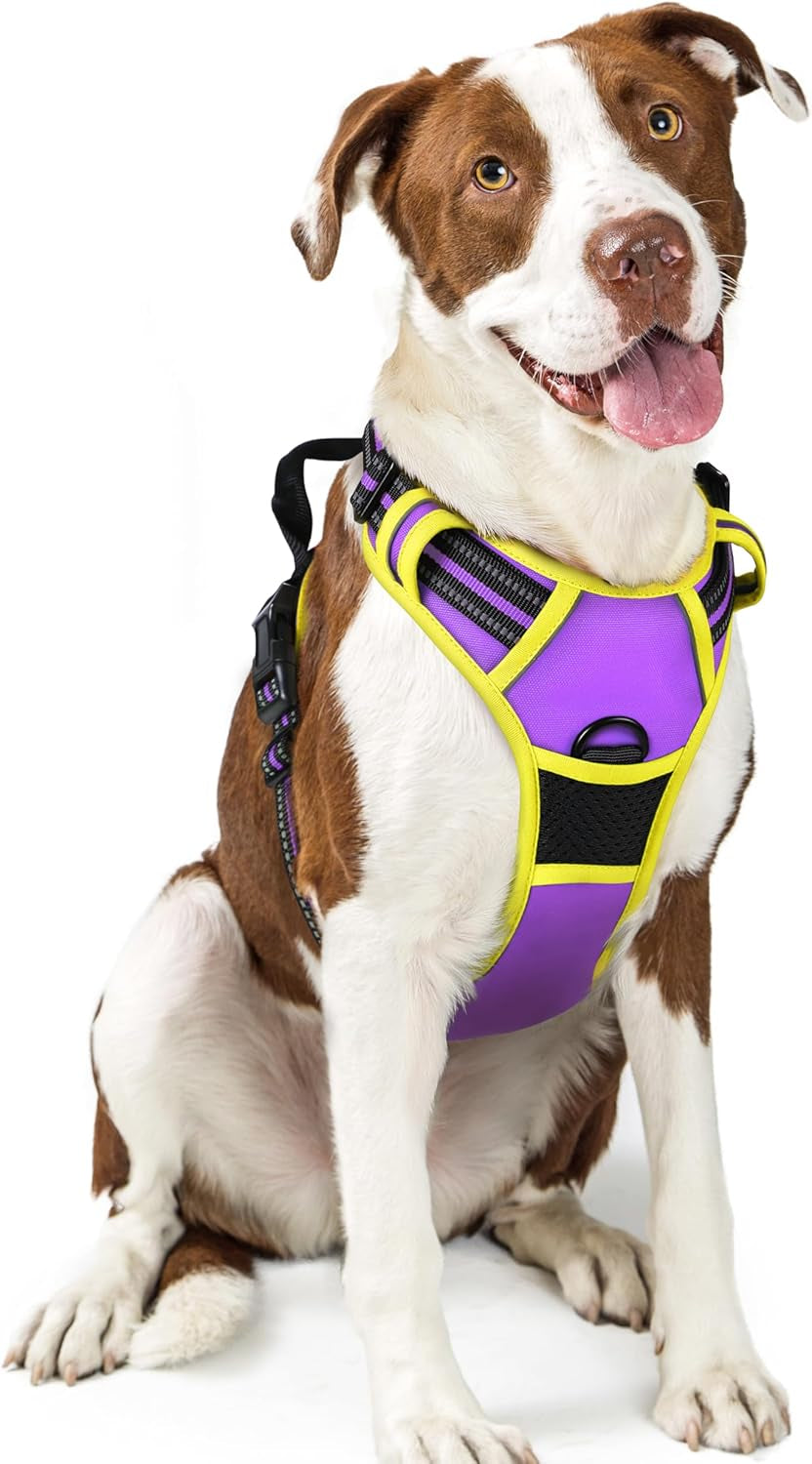
What Is a Heavy Duty Dog Harness?
A heavy duty dog harness is a reinforced walking and training harness specifically designed for dogs that generate more pulling force than average. Instead of relying on lightweight fabrics or simple plastic hardware, these harnesses are built with stronger materials, durable buckles, reinforced stitching, and adjustable straps that can withstand repeated use.
The primary purpose isn't to encourage pulling—it's to provide better control, improved safety, and greater comfort for both the dog and the handler.
Unlike traditional collars, which place pressure directly on the neck, a heavy duty harness spreads force across the chest and shoulders. This more balanced pressure distribution can make walks safer, especially for large breeds or dogs that lunge unexpectedly.
A quality durable dog harness often includes several practical features:
| Feature | Why It Matters |
|---|---|
| Reinforced stitching | Helps withstand repeated pulling and everyday wear. |
| Heavy-duty buckles | Adds security and reduces the chance of accidental release. |
| Adjustable straps | Creates a snug, comfortable fit for different body shapes. |
| Front and back leash attachments | Supports both training and everyday walking. |
| Padded chest and back panels | Improves comfort during longer walks. |
| Grab handle | Offers additional control in busy or challenging environments. |
| Reflective trim | Improves visibility during early morning or nighttime walks. |
It's important to understand that "heavy duty" doesn't necessarily mean bulky. A well-designed strong leash harness should feel secure without restricting your dog's natural movement. Dogs should be able to walk, run, sit, and lie down comfortably while wearing it.
Many owners also confuse heavy duty harnesses with tactical harnesses. While some tactical dog harness models are extremely durable, not every heavy duty harness follows a military-inspired design. The most important factor is how well the harness fits your dog and supports your walking or training goals.
Who Should Use a Heavy Duty Dog Harness?
Not every dog needs a reinforced harness. Small, calm dogs that walk politely on a loose leash often do well with standard harnesses designed for everyday use.
A heavy duty harness for big dogs becomes more valuable when strength, energy, or pulling behavior creates additional challenges.
You may benefit from one if your dog:
- Frequently pulls hard during walks.
- Weighs more than average and generates significant force.
- Is still learning leash manners.
- Becomes excited around other dogs or wildlife.
- Participates in hiking, outdoor adventures, or working activities.
- Needs additional support during training.
- Has escaped standard harnesses in the past and requires a more secure fit.
Large and powerful breeds commonly suited to heavy duty harnesses include:
- German Shepherds
- Labrador Retrievers
- Golden Retrievers
- Pit Bulls
- Rottweilers
- Dobermans
- Belgian Malinois
- Cane Corsos
- Boxers
- Siberian Huskies
- Alaskan Malamutes
- Great Danes
Breed alone isn't the deciding factor, though. A highly energetic medium-sized dog can pull harder than a calm giant breed. Personality, training level, and daily activity all play an important role.
For example, a young Labrador that's eager to greet everyone may benefit from a dog harness for aggressive pullers, even if the dog isn't aggressive by temperament. In many cases, the issue is excitement rather than aggression.
Likewise, active families who enjoy hiking, camping, or long outdoor adventures often appreciate the extra security provided by a working dog harness or dog harness with handle, especially in crowded parks or unfamiliar environments.
If your dog shows fear-based reactivity, persistent lunging, or severe behavioral challenges, equipment alone isn't enough. Consider working with a certified dog trainer or veterinary behavior professional to develop a safe, long-term training plan.
Benefits of Using a Heavy Duty Dog Harness
Choosing the Best Heavy Duty Dog Harness isn't simply about buying stronger equipment—it's about creating safer, more comfortable, and more enjoyable walks for both you and your dog.
When properly fitted, a high-quality harness offers several important advantages.
Better Control Without Excessive Force
One of the biggest reasons owners switch to a best harness for pulling dogs is improved handling.
A reinforced harness gives you better leverage during sudden lunges or changes in direction without relying on excessive pulling from your side. This can make walks feel more controlled while helping reduce frustration for both you and your dog.
Reduces Pressure on the Neck
Traditional collars concentrate force around the neck whenever a dog pulls.
A properly fitted no pull heavy duty dog harness distributes that force across the chest and shoulders instead, making walks more comfortable for many dogs while lowering the risk of unnecessary neck strain.
Improved Safety During Walks
Strong hardware, secure buckles, and reinforced stitching reduce the likelihood of equipment failure.
This becomes especially valuable when walking energetic dogs near busy roads, parks, or crowded public areas where maintaining control is essential.
Greater Comfort for Active Dogs
Many premium harnesses include breathable padding that minimizes rubbing during long walks, hikes, or outdoor adventures.
When adjusted correctly, a quality harness should allow your dog to move naturally without limiting shoulder movement or causing uncomfortable pressure points.
Supports Positive Training
A heavy duty harness isn't a shortcut for stopping pulling—but it can become an excellent training tool.
Combined with reward-based leash training, clear communication, and patience, the right harness helps create better walking habits over time while giving owners more confidence during the learning process.
As you'll discover later in this guide, selecting the right features is just as important as choosing a strong design. The next section explores exactly what separates an average harness from one that's built to perform reliably for powerful dogs.
Key Features to Look For
Not every product labeled as a heavy duty dog harness is built to handle a strong, determined puller. Some prioritize appearance over durability, while others may use lower-quality materials that wear out quickly.
If you're searching for the Best Heavy Duty Dog Harness, focus on construction, comfort, adjustability, and safety rather than brand names alone.
1. Durable Materials
The foundation of any durable dog harness is the material it's made from. Premium harnesses commonly use high-density nylon webbing, Oxford fabric, or military-grade polyester because these materials resist fraying, moisture, and everyday wear.
Material Comparison
| Material | Durability | Comfort | Best For |
|---|---|---|---|
| High-Density Nylon | ★★★★★ | ★★★★☆ | Daily walks, training, hiking |
| Oxford Fabric | ★★★★★ | ★★★★★ | Active outdoor dogs |
| Polyester | ★★★★☆ | ★★★★☆ | Everyday use |
| Mesh Fabric | ★★★☆☆ | ★★★★★ | Warm climates and light pullers |
| Leather | ★★★★☆ | ★★★☆☆ | Experienced owners who maintain leather gear |
For most owners, reinforced nylon or Oxford fabric offers the best balance of durability, flexibility, and weather resistance.
2. Reinforced Stitching
Even premium fabric won't perform well if the stitching is weak.
Look for double or triple-stitched seams, especially around:
- Leash attachment points
- Chest panels
- Handle connections
- Shoulder straps
These areas experience the greatest amount of force when a dog lunges or pulls.
3. Strong Buckles and Hardware
Cheap plastic buckles are often the first component to fail.
A reliable strong dog harness should feature:
- Heavy-duty quick-release buckles
- Reinforced plastic or metal hardware
- Rust-resistant D-rings
- Secure locking mechanisms
Metal leash attachment rings generally provide greater long-term durability for large breeds.
4. Multiple Adjustment Points
Dogs come in many shapes—even within the same breed.
The best harness for large dogs should include four to six adjustment points so you can achieve a snug fit without restricting movement.
A properly adjusted harness should:
- Stay centered on the dog's body.
- Avoid rubbing behind the front legs.
- Allow two fingers to fit comfortably under the straps.
- Prevent slipping over the shoulders.
5. Front and Back Leash Attachment Points
Dual leash clips add versatility.
Front Clip
Best for:
- Leash training
- Dogs learning not to pull
- Redirecting forward momentum
Back Clip
Ideal for:
- Casual walks
- Hiking
- Well-trained dogs
- Everyday exercise
Many experienced trainers recommend using the front attachment while teaching loose-leash walking.
6. Comfortable Padding
Strong doesn't have to mean stiff.
A padded chest plate helps distribute pressure more evenly and reduces friction during longer walks.
Look for breathable padding that dries quickly after rain or outdoor adventures.
7. Grab Handle
A dog harness with handle provides extra control when needed.
Handles are especially useful for:
- Crossing busy streets
- Assisting senior dogs
- Helping dogs into vehicles
- Hiking uneven trails
- Veterinary visits
- Crowded public places
For owners of large breeds, this simple feature can quickly become indispensable.
8. Reflective Safety Features
Even if you don't regularly walk after dark, reflective trim improves visibility during:
- Early mornings
- Rainy weather
- Fog
- Evening walks
Small reflective accents can significantly improve safety around traffic.
9. Escape-Resistant Design
Some dogs are surprisingly skilled at backing out of loose harnesses.
If your dog has escaped before, consider an escape proof dog harness with:
- Additional belly straps
- Multiple adjustment points
- Secure chest positioning
- Proper sizing
Remember that even the most secure design won't work if it's too loose.
10. Weight Without Bulk
Many owners assume heavier equals stronger.
In reality, the best working dog harness balances durability with freedom of movement. Bulky designs can cause overheating, restrict shoulder motion, and become uncomfortable during longer outings.
A quality harness should feel sturdy without weighing your dog down.
Best Heavy Duty Dog Harnesses for Strong & Aggressive Pulling Dogs
With so many harnesses available, it's easy to assume that choosing the one with the highest price tag guarantees the best performance. In reality, the most reliable harness is the one that matches your dog's size, activity level, pulling strength, and daily routine.
Rather than recommending a single product for every dog, it's more helpful to understand which characteristics make a harness dependable.
For Everyday Walks
Most pet owners don't need military-grade equipment.
If your dog enjoys daily neighborhood walks, prioritize:
- Comfortable padding
- Adjustable fit
- Reinforced stitching
- Dual leash clips
- Durable nylon construction
These features provide an excellent balance between comfort and control.
For Strong Pullers
Dogs that consistently pull should have a harness designed to redirect movement instead of simply absorbing force.
A good no pull heavy duty dog harness typically includes:
- Front leash attachment
- Wide chest panel
- Multiple adjustment straps
- Strong hardware
- Reinforced webbing
When combined with reward-based training, these features encourage better leash manners over time.
For a deeper look at training-specific options, be sure to read Best No Pull Dog Harness for Pitbulls and How to Stop Your Dog From Pulling on the Leash on our blog.
For Hiking and Outdoor Adventures
Outdoor enthusiasts should prioritize durability over aesthetics.
Look for:
- Weather-resistant fabric
- Strong grab handle
- Reflective trim
- Comfortable padding
- Secure buckles
- Multiple leash attachment points
Whether you're exploring local trails or spending weekends camping, these features improve both comfort and safety.
For Working Dogs
Dogs involved in search work, service activities, farm tasks, or advanced obedience training often require a working dog harness built for extended wear.
Important considerations include:
- Load distribution
- Reinforced stress points
- Freedom of shoulder movement
- Durable stitching
- High-quality hardware
Comfort becomes especially important during long periods of activity.
Are Tactical Harnesses Worth Buying?
A tactical dog harness has become increasingly popular, but it's not automatically the best choice for every dog.
Advantages
- Extremely durable materials
- Multiple attachment points
- Grab handle
- Accessory compatibility
- Excellent stability
Potential Drawbacks
- Heavier than standard harnesses
- Can be warmer during hot weather
- Often more expensive
- Additional features may be unnecessary for casual walks
If your dog primarily enjoys neighborhood strolls, a lightweight heavy-duty harness may be more practical than a tactical model.
Are Expensive Harnesses Better?
Not always.
Higher-priced harnesses often include:
- Better materials
- More durable hardware
- Improved fit
- Enhanced comfort
- Longer lifespan
However, paying more doesn't automatically guarantee a better experience.
Instead of focusing solely on price, evaluate:
| Buying Factor | Why It Matters |
| Proper fit | Prevents escaping and discomfort |
| Material quality | Improves durability |
| Stitching | Increases lifespan |
| Padding | Enhances comfort |
| Leash attachment options | Supports training and everyday walking |
| Warranty or customer support | Adds long-term value |
A moderately priced harness that fits correctly will almost always outperform an expensive harness that doesn't.
Choosing the Right Harness for Your Dog's Breed
While every dog is unique, certain breeds often benefit from reinforced harnesses because of their strength and enthusiasm.
Examples include:
- German Shepherd
- Labrador Retriever
- Golden Retriever
- Rottweiler
- Pit Bull
- Belgian Malinois
- Cane Corso
- Boxer
- Siberian Husky
- Doberman Pinscher
If you're looking for breed-specific recommendations, you may also find these guides helpful:
- Best Dog Harness for Pitbulls
- 10 Best Harnesses for German Shepherd
- Best Harness for Labradors
- Rabbitgoo No Pull Dog Harness Review
- PetSafe Easy Walk Harness Review
- Kurgo Dog Harness Review
These resources explore different harness styles, fits, and real-world performance for various breeds and walking situations.
Heavy Duty Harness vs Standard Harness
Understanding the differences between a heavy-duty harness and a standard harness can help you choose the right option for your dog's needs.
| Feature | Heavy Duty Dog Harness | Standard Dog Harness |
| Best For | Strong pullers, large breeds, active dogs | Calm dogs, light walkers |
| Material | Reinforced nylon or Oxford fabric | Basic nylon or mesh |
| Stitching | Double or triple reinforced | Standard stitching |
| Buckles | Heavy-duty, often reinforced | Basic plastic |
| Leash Attachments | Front and back clips | Usually back clip only |
| Grab Handle | Common | Rare |
| Durability | Excellent | Moderate |
| Outdoor Use | Hiking, training, working dogs | Casual neighborhood walks |
| Weight | Slightly heavier | Lightweight |
| Expected Lifespan | Longer with proper care | Shorter under heavy use |
For dogs that rarely pull, a standard harness may be perfectly adequate.
However, owners of energetic or powerful breeds often appreciate the added confidence, safety, and durability that a heavy duty harness for big dogs provides.
Expert Insight
"A strong harness doesn't replace good training—it gives you the confidence and control to build better habits with your dog, one walk at a time."
— My Bright Future LLC Pet Care Team
As important as equipment is, remember that no harness can teach leash manners on its own. The best results come from pairing a well-fitted harness with patience, consistency, and positive reinforcement.
In the next section, we'll cover how to measure your dog correctly, avoid common sizing mistakes, and choose a harness that fits comfortably without compromising safety.
How to Choose the Right Size
Even the Best Heavy Duty Dog Harness won't perform as intended if it doesn't fit properly. A harness that's too tight can restrict movement and cause chafing, while one that's too loose may allow your dog to slip out unexpectedly.
Rather than relying solely on your dog's breed or weight, always measure your dog before purchasing a harness.
What You'll Need
- A flexible measuring tape
- Your dog's current weight
- The manufacturer's sizing chart
Step 1: Measure the Chest (Girth)
Wrap the measuring tape around the widest part of your dog's chest, just behind the front legs. This is the most important measurement when choosing a heavy duty dog harness.
Step 2: Measure the Neck
Measure around the base of your dog's neck where the harness will sit—not where a collar typically rests.
Step 3: Compare With the Brand's Size Chart
Harness sizing varies between manufacturers. A "Large" in one brand may fit differently than a "Large" in another, so always use the product-specific measurements instead of assuming the size.
Heavy Duty Dog Harness Sizing Guide
| Dog Size | Chest Measurement (Approx.) | Typical Harness Size |
|---|---|---|
| Small | 16–22 inches | Small |
| Medium | 22–28 inches | Medium |
| Large | 28–36 inches | Large |
| Extra Large | 36–44+ inches | XL / XXL |
Note: These measurements are general guidelines. Always verify the sizing chart for the specific harness you plan to buy.
How Should a Harness Fit?
A properly fitted strong leash harness should:
- Sit securely without shifting side to side.
- Allow two fingers to fit comfortably under each strap.
- Stay clear of your dog's armpits to prevent rubbing.
- Rest flat against the body without twisting.
- Allow full shoulder movement during walking and running.
Signs Your Harness Doesn't Fit Correctly
| Too Tight | Too Loose |
| Difficulty breathing | Dog backs out easily |
| Hair loss from rubbing | Harness slides around |
| Restricted shoulder movement | Chest panel shifts sideways |
| Red marks after walks | Buckles rotate during movement |
Take a few minutes to watch your dog walk, sit, lie down, and turn around while wearing the harness. Small adjustments can make a significant difference in comfort and safety.
Common Mistakes Dog Owners Make
Buying a premium harness is only part of the equation. Many leash problems stem from incorrect use rather than poor equipment.
Here are some of the most common mistakes—and how to avoid them.
Choosing Size Based Only on Breed
Not every Labrador or German Shepherd has the same body shape. Measuring your dog is far more reliable than guessing based on breed alone.
Leaving Straps Too Loose
Owners often worry about making the harness uncomfortable, so they leave it too loose.
Unfortunately, this increases the risk of escape and reduces control during walks.
Assuming the Harness Will Stop Pulling Instantly
A no pull heavy duty dog harness is a training aid—not a cure.
It can help redirect your dog's movement, but lasting improvement comes from consistent, reward-based leash training.
Using the Wrong Leash Attachment
Many harnesses include both front and back leash clips.
- Front clip: Best for training and reducing pulling.
- Back clip: Better for relaxed walks with dogs that already have good leash manners.
Using the appropriate attachment can improve your training sessions.
Ignoring Signs of Wear
Inspect your harness regularly for:
- Frayed stitching
- Cracked buckles
- Bent D-rings
- Torn fabric
- Loose straps
Replacing worn equipment before it fails helps keep your dog safe.
Buying Based Only on Appearance
Military styling, bright colors, or extra pockets may look impressive, but they shouldn't be the deciding factors.
Focus on:
- Fit
- Durability
- Comfort
- Safety
- Ease of adjustment
A simpler harness that fits well often outperforms a more elaborate design.
Training Tips to Reduce Pulling
Even the strongest harness cannot teach leash manners on its own. Dogs pull because they are excited, distracted, or have learned that pulling gets them where they want to go.
The good news is that with patience and consistency, most dogs can develop better walking habits.
Reward Loose-Leash Walking
Whenever your dog walks beside you without pulling, immediately reward the behavior with praise, a treat, or a favorite toy.
Dogs repeat behaviors that lead to positive outcomes.
Stop When Your Dog Pulls
If your dog surges ahead, avoid continuing to walk.
Instead:
- Stop moving.
- Wait until the leash becomes loose.
- Reward your dog for returning to you.
- Continue walking.
This teaches your dog that pulling slows the walk rather than speeding it up.
Change Direction
If your dog constantly pulls toward distractions, calmly turn and walk in the opposite direction.
This encourages your dog to pay attention to your movements instead of forging ahead.
Keep Training Sessions Short
Five to ten minutes of focused practice is often more productive than an hour of frustration.
Frequent, positive sessions help dogs learn faster.
Exercise Before Long Walks
Some energetic breeds simply have excess energy.
A short game of fetch or backyard play before a walk can help your dog feel calmer and more focused.
Be Consistent
Everyone who walks your dog should use the same training methods.
Mixed signals can slow progress and confuse your dog.
Use the Right Equipment
A well-fitted dog harness for aggressive pullers provides better control while allowing your training efforts to be more effective.
For more detailed guidance, we recommend reading:
These guides explain practical training techniques that complement the use of a heavy-duty harness.
How to Care for Your Dog Harness
A quality durable dog harness can last for years with proper care. Regular maintenance not only extends its lifespan but also helps ensure it remains safe and comfortable for your dog.
Clean It Regularly
Mud, dirt, sand, and sweat can weaken fabric over time.
Most nylon harnesses can be:
- Hand washed with mild soap and warm water.
- Gently scrubbed with a soft brush.
- Rinsed thoroughly to remove residue.
Always follow the manufacturer's cleaning instructions if provided.
Let It Air Dry
Avoid placing your harness in a dryer or near direct heat sources.
High temperatures may damage:
- Nylon fibers
- Padding
- Plastic buckles
- Reflective materials
Instead, hang it in a well-ventilated area until completely dry.
Inspect Before Every Walk
Take a quick look at:
- Stitching
- Buckles
- D-rings
- Adjustment straps
- Grab handle
A one-minute inspection can prevent equipment failure during a walk.
Store It Properly
When not in use, keep the harness in a cool, dry location away from prolonged sunlight or excessive moisture.
This helps preserve both the fabric and hardware.
Replace When Necessary
Even the highest-quality heavy duty harness for big dogs has a limited lifespan.
Replace your harness if you notice:
- Torn webbing
- Loose stitching
- Broken buckles
- Bent metal hardware
- Reduced adjustability
If your dog has experienced significant growth or weight changes, it's also worth checking whether the current harness still fits correctly.
Conclusion
Finding the Best Heavy Duty Dog Harness isn't about choosing the most expensive model or the one with the most features. It's about selecting equipment that matches your dog's size, strength, activity level, and training needs.
A well-designed heavy duty dog harness offers improved control, greater comfort, and enhanced safety by distributing pressure across the chest rather than the neck. Features such as reinforced stitching, durable materials, adjustable straps, secure buckles, and dual leash attachment points can make daily walks more enjoyable for both you and your dog.
Remember, no harness can replace consistent training. Pairing a properly fitted harness with positive reinforcement, patience, and regular practice is the most effective way to reduce pulling and build better leash manners over time.
With the right harness, proper fit, and consistent guidance, every walk becomes an opportunity to strengthen the bond between you and your dog while creating safer, more enjoyable adventures together.
Frequently Asked Questions
1. What is the best heavy duty dog harness for strong pulling dogs?
The Best Heavy Duty Dog Harness is one that combines reinforced stitching, durable materials, adjustable straps, strong buckles, and front and back leash attachment points. Rather than focusing on a specific brand, choose a harness that fits your dog's size, activity level, and walking habits. A properly fitted harness paired with positive reinforcement training offers the best long-term results.
2. Do heavy duty dog harnesses stop dogs from pulling?
No. A heavy duty dog harness does not automatically stop pulling, but it can make training easier. Front-clip harnesses help redirect your dog's forward movement, giving you better control during walks. Consistent leash training, rewards for loose-leash walking, and patience are still essential for teaching good walking manners.
3. Are heavy duty harnesses better than dog collars?
For many strong or energetic dogs, yes. A harness distributes pressure across the chest and shoulders instead of concentrating it on the neck. This can provide better comfort and control, especially for dogs that frequently pull. However, collars are still useful for holding identification tags and may be appropriate for dogs that already walk calmly on a leash.
4. Which dog breeds benefit most from a heavy duty harness?
Powerful and active breeds often benefit the most, including German Shepherds, Labrador Retrievers, Golden Retrievers, Rottweilers, Pit Bulls, Belgian Malinois, Dobermans, Boxers, Cane Corsos, Siberian Huskies, and Alaskan Malamutes. That said, breed isn't the only factor—any dog that pulls hard or enjoys vigorous outdoor activities may benefit from a strong dog harness.
5. What features should I look for in a durable dog harness?
Look for high-density nylon or Oxford fabric, reinforced stitching, heavy-duty buckles, rust-resistant metal D-rings, adjustable straps, breathable padding, reflective trim, and a sturdy grab handle. These features improve comfort, safety, and durability while helping the harness withstand daily use.
6. Is a tactical dog harness worth buying?
A tactical dog harness can be a good choice for hiking, outdoor adventures, or working dogs because it often includes reinforced materials, multiple attachment points, and a grab handle. However, for everyday neighborhood walks, a lighter heavy-duty harness may be more comfortable and equally effective.
7. How tight should a heavy duty dog harness fit?
The harness should fit snugly without restricting movement. A common guideline is the "two-finger rule"—you should be able to slide two fingers comfortably between the harness and your dog's body. The harness should stay in place during movement without rubbing or allowing your dog to back out.
8. Can a dog wear a heavy duty harness every day?
Yes, as long as it fits correctly and remains clean and in good condition. Many owners use a durable dog harness for daily walks, training sessions, and outdoor activities. Remove the harness after walks unless your veterinarian or trainer recommends otherwise, allowing your dog's skin and coat to breathe comfortably.
9. How do I know when it's time to replace my dog's harness?
Replace your harness if you notice frayed webbing, loose stitching, cracked buckles, bent metal hardware, or worn leash attachment points. You should also replace it if your dog has gained or lost enough weight that the harness no longer fits securely.
10. Are expensive dog harnesses always better?
Not necessarily. Higher-priced harnesses often use better materials and stronger hardware, but the most important factors are fit, comfort, durability, and suitability for your dog's needs. A moderately priced harness that fits correctly will usually perform better than an expensive one with a poor fit.
11. Can puppies wear a heavy duty dog harness?
Yes, but choose a lightweight model that fits properly and allows room for growth. Avoid purchasing an oversized harness for a puppy to "grow into," as a loose fit can reduce control and increase the risk of escape. As your puppy matures, remeasure them and upgrade to a larger harness when necessary.
12. What's the difference between a no-pull harness and a heavy duty harness?
A no pull heavy duty dog harness is designed to help reduce pulling while also providing extra durability. Standard heavy-duty harnesses focus on strength and control, whereas no-pull models usually include a front leash attachment that gently redirects the dog's movement during training. Some harnesses combine both features.
13. How do I prevent my dog from escaping a harness?
Start by choosing the correct size and adjusting every strap according to the manufacturer's instructions. An escape proof dog harness with multiple adjustment points and a secure chest design offers added protection. Check the fit regularly, especially if your dog is still growing or has recently gained or lost weight.
14. Should I use a front clip or back clip on my dog's harness?
It depends on your training goals. A front clip is generally recommended for dogs learning loose-leash walking because it helps redirect forward pulling. A back clip is better suited for dogs that already walk politely or for casual walks where extra control isn't needed. Many owners find dual-clip harnesses offer the greatest flexibility.
15. Can a harness replace obedience training?
No. Even the Best Heavy Duty Dog Harness is only a tool. Lasting improvements in leash manners come from consistent, reward-based training, regular exercise, and patience. If your dog displays persistent pulling, fear, or reactive behavior, consider working with a certified dog trainer or consulting your veterinarian for personalized guidance.
Final Thoughts
A well-chosen Best Heavy Duty Dog Harness can make a remarkable difference in your daily walks by providing better control, increased comfort, and enhanced safety for both you and your dog. The key is to choose a harness that matches your dog's size, strength, and activity level rather than simply selecting the most expensive or feature-packed option.
Remember that even the most durable equipment works best when paired with proper leash training and consistent positive reinforcement. Investing time in teaching good walking habits will benefit your dog far more than relying on equipment alone.
Whether you're raising an energetic Labrador, managing a powerful German Shepherd, training a determined Pit Bull, or hiking with an adventurous Husky, the right harness can help make every walk more enjoyable and less stressful.
By focusing on fit, quality materials, thoughtful design, and ongoing training, you'll be well-equipped to choose a harness that supports your dog's comfort, safety, and confidence for years to come.


